
Summary
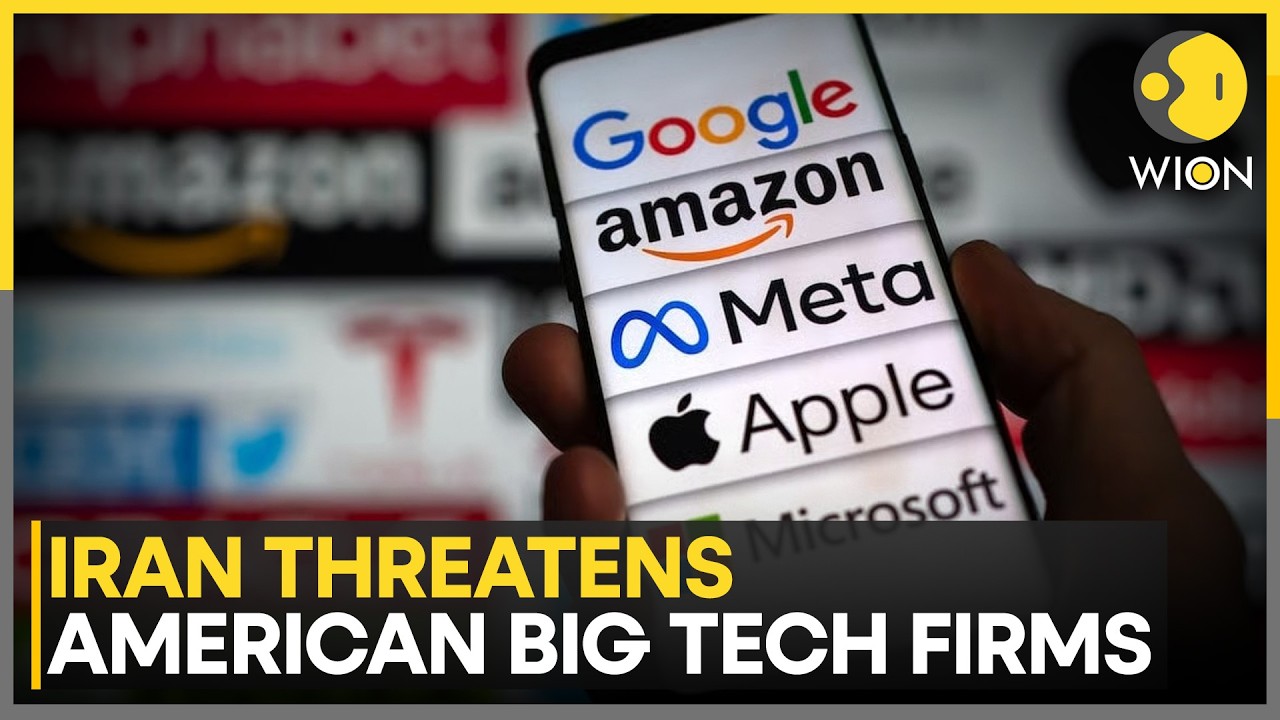
On March 31, 2026, Iran's Islamic Revolutionary Guard Corps (IRGC) announced plans to attack major US tech firms, including **Apple**, **Google**, and **Microsoft**, starting April 1. This threat follows a series of retaliatory actions against the US and Israel, particularly after the assassination of Iranian Supreme Leader **Ali Khamenei**. The IRGC claims these firms are complicit in military operations against Iran, marking a significant escalation in cyber warfare tactics. The implications for global tech infrastructure and regional stability are profound, as the US military grapples with the fallout of these threats and ongoing conflicts in the region.
Key Takeaways
- Iran's IRGC has threatened to attack major US tech firms starting April 1, 2026.
- The conflict has resulted in significant casualties, with approximately 2,000 Iranians and 13 US service members killed.
- The IRGC claims these tech firms support US military operations against Iran.
- US military responses have included airstrikes against IRGC drone networks.
- The situation raises serious concerns about the implications for global tech infrastructure.
Balanced Perspective
The neutral perspective highlights the facts surrounding the IRGC's threats without bias. The IRGC has explicitly named several US tech firms as targets, citing their involvement in military operations against Iran. The US military's response has included airstrikes against IRGC drone networks, indicating a serious escalation in military engagement. However, the actual impact of these threats on the tech firms remains uncertain, as many companies have yet to respond publicly. The situation is fluid, with potential for both conflict and negotiation.
Optimistic View
From an optimistic viewpoint, this situation could catalyze a stronger international coalition against cyber threats. The US and its allies might enhance cybersecurity measures, leading to improved resilience against potential attacks. Furthermore, this could prompt tech companies to reassess their operations in volatile regions, ultimately leading to safer business practices and innovations in cybersecurity. The global tech community has a unique opportunity to unite against state-sponsored cyber threats, fostering collaboration and sharing best practices.
Critical View
A pessimistic view raises concerns about the broader implications of Iran's threats. The targeting of civilian tech firms could lead to significant disruptions in global technology infrastructure, affecting millions of users worldwide. Moreover, the escalation of military actions could spiral into a larger conflict, with devastating consequences for civilians in the region. The ongoing war has already resulted in thousands of casualties, and further attacks could exacerbate the humanitarian crisis. The potential for cyberattacks on critical infrastructure raises alarms about national security and the vulnerability of digital systems.
Source
Originally reported by WIRED